Introduction to Painting Techniques at Home
Embarking on a journey into the world of painting can be both an exciting and fulfilling endeavor, especially when done from the comfort of your own home. For beginners, the idea of creating art might seem daunting at first, but with the right painting techniques tailored for home use, anyone can unleash their inner artist. These beginner-friendly approaches are designed to be simple and accessible, requiring minimal supplies and space, yet offering endless creative possibilities.
One of the most appealing aspects of painting at home is the freedom it affords. Whether you’re looking to express your creativity on a quiet Sunday afternoon or seeking a way to unwind after a long day, painting offers a therapeutic escape. Beginners can start by exploring basic techniques such as block painting, where large sections of color are applied to create bold, abstract designs. This method is particularly forgiving and allows for experimentation without fear of making mistakes.
Another popular technique for home painters is the use of a limited color palette. This approach not only simplifies the painting process but also encourages a deeper understanding of color blending and harmony. By focusing on a few selected hues, beginners can learn to mix colors effectively and produce harmonious artworks that are pleasing to the eye.
As you delve into these painting techniques, remember that the key to improvement is practice and patience. Take your time to explore different methods, and don’t be afraid to let your personal style evolve. For those ready to start their artistic journey, explore our product collection for all your art supply needs.
Essential Supplies for Beginner Painters
Embarking on the journey of painting can be both exhilarating and a tad overwhelming, especially when faced with a myriad of supplies available in the market. For beginners, it’s crucial to start with the basics to ensure a smooth and enjoyable creative process. Let’s delve into the essential supplies that every novice painter should consider.
1. Quality Paints
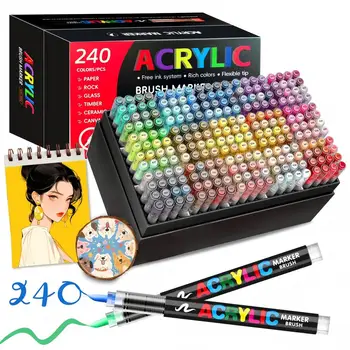
Choosing the right paint is fundamental. Acrylics are highly recommended for beginners due to their versatility and quick-drying nature. They are easy to work with and clean up, making them ideal for those just starting out. Watercolors are another excellent choice, offering a delicate finish and a beautiful translucency that can create stunning effects with minimal effort.
2. Brushes
An assortment of brushes is vital to help you achieve different strokes and textures. A beginner’s set typically includes flat, round, and detail brushes. Opt for synthetic bristles, as they are durable and cost-effective, providing a good range of flexibility for various techniques.
3. Canvas or Paper
Having a suitable surface to paint on is as important as the paints and brushes themselves. Canvases are a popular choice for acrylics, providing a sturdy and absorbent surface. For watercolors, specialized watercolor paper is essential to handle the water without buckling.
4. Palette
A palette is indispensable for mixing colors. Palettes come in various materials, but a simple plastic or ceramic one should suffice for beginners. Ensure it is easy to clean and has ample space for mixing different shades.
5. Easel
An easel can enhance your painting experience by offering a comfortable working angle and supporting your canvas. While not absolutely necessary, it can be a helpful investment for those planning to paint regularly.
With these essential supplies, beginners can dive into painting with confidence and creativity. Explore our product collection to find these items and more, ensuring your artistic journey is well-equipped from the start.
Understanding Color Theory Basics
In the realm of painting, understanding color theory is akin to learning the alphabet for language. It forms the foundation upon which all creative expression is built. For beginners, grasping the essentials of color theory can significantly enhance their painting journey, transforming simple brush strokes into visually captivating art pieces.
Color theory primarily revolves around the color wheel, a circular diagram of colors that visually illustrates the relationships between them. At its core, the color wheel comprises primary colors—red, blue, and yellow. These are the building blocks from which all other colors are derived. By mixing two primary colors, secondary colors emerge—green, orange, and purple. Further blending these can lead to tertiary colors, expanding the palette even further.
Color Harmonies
Understanding color harmonies can elevate a beginner’s painting. Complementary colors, which are located opposite each other on the color wheel, such as blue and orange, create striking contrast and vibrancy. Analogous colors, which sit next to each other, like blue and green, offer a more harmonious and serene appearance.
The Role of Color Value
Color value, the lightness or darkness of a color, adds depth and dimension to artwork. By adjusting color value, beginners can create the illusion of light and shadow, adding realism to their paintings.
With these basics in mind, exploring painting becomes a rewarding experience. To enhance your creative journey, explore our product collection for quality art supplies that bring your visions to life.
Exploring Brush Types and Their Uses
When embarking on your artistic journey, understanding the variety of brushes available and their specific uses can significantly enhance your painting experience. Brushes are not just tools; they are extensions of your creative expression. Each type of brush serves a unique purpose, influencing the texture, detail, and overall look of your artwork.
Flat Brushes
Flat brushes, characterized by their rectangular shape with straight edges, are perfect for creating bold, sweeping strokes and filling large spaces with color. The flat, broad nature of the bristles allows for a smooth application of paint, making them ideal for backgrounds or areas where you need a consistent, even layer of paint. They can also be turned on their side to create fine lines, adding versatility to their functionality.
Round Brushes
Round brushes taper to a point and are incredibly versatile, making them a staple in any artist’s toolkit. Their shape facilitates both broad strokes and intricate details. As you apply varying pressure, you can easily transition from a fine line to a broader stroke, perfect for creating seamless blends and detailed work.
Filbert Brushes
Filbert brushes offer a blend of the flat and round brush qualities. Their oval shape is perfect for creating soft edges and blending colors. Ideal for working on subjects like portraits or landscapes, these brushes can be used for both detailed work and smoothing out harsh lines.
Fan Brushes
Fan brushes, with their spread-out bristles, are excellent for creating textured effects such as foliage, clouds, or grass. They are particularly useful in creating natural textures and effects that add depth and realism to your paintings.
Embark on your creative adventure with confidence by understanding these essential brush types. To explore our product collection, visit our shop page for products and more.
Mastering Simple Brush Strokes
Embarking on the journey of painting begins with the fundamental skill of mastering simple brush strokes. These strokes are the building blocks of any great painting, providing the foundation upon which more complex techniques are developed. Understanding and practicing basic brush strokes can significantly enhance your control and confidence, even if you are painting from the comfort of your own home.
One of the simplest yet most versatile strokes to master is the flat stroke. This stroke involves holding the brush flat against the canvas, allowing the bristles to make an even, broad mark. It is ideal for covering large areas quickly or creating clean, straight lines. To practice, use a flat brush and try varying the pressure to achieve different thicknesses.
Another essential stroke is the round stroke. This involves using a round brush, which can create both thick and thin lines depending on the pressure applied. Start by lightly touching the canvas with the tip of the brush for fine lines, then press down gradually to widen the stroke. This technique is perfect for adding detail or creating flowing, organic shapes.
The stippling technique is also worth exploring. By lightly tapping the brush against the canvas, you can create a textured effect that adds depth and interest to your work. This method is excellent for depicting foliage, clouds, or any subject that requires a soft, mottled look.
Practicing these strokes regularly can transform your painting sessions into a more enjoyable and productive experience. Remember, consistency is key, and with patience, you’ll see significant improvements. To explore more tools and materials that can support your creative journey, visit our shop page for products and more.


0 Comments